Cosmic Origins Program

NASA AI/ML Science & Technology Interest Group

Building AI literacy for astronomical research through stackable, bite-sized modular training designed for the astronomy community.

24
Lectures
8
Modules
Open
Access
About

A NASA initiative to bring AI into astronomy
NASA Astrophysics

NASA's Cosmic Origins Program

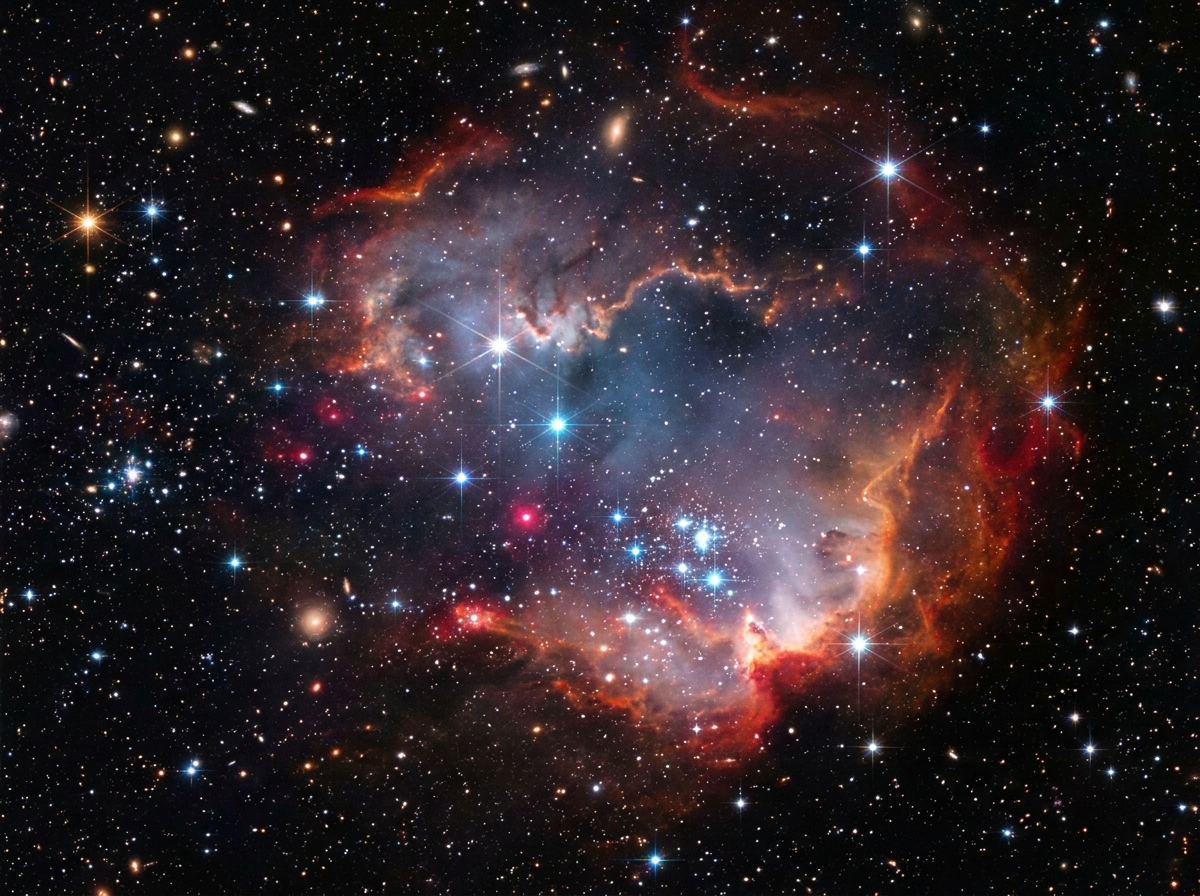
One of the three programs in NASA's Astrophysics division, Cosmic Origins studies how the universe's galaxies, stars, and cosmic structure formed and evolved — the science legacy of Hubble and the road toward the future Habitable Worlds Observatory.

NASA Cosmic Origins
Open Textbook

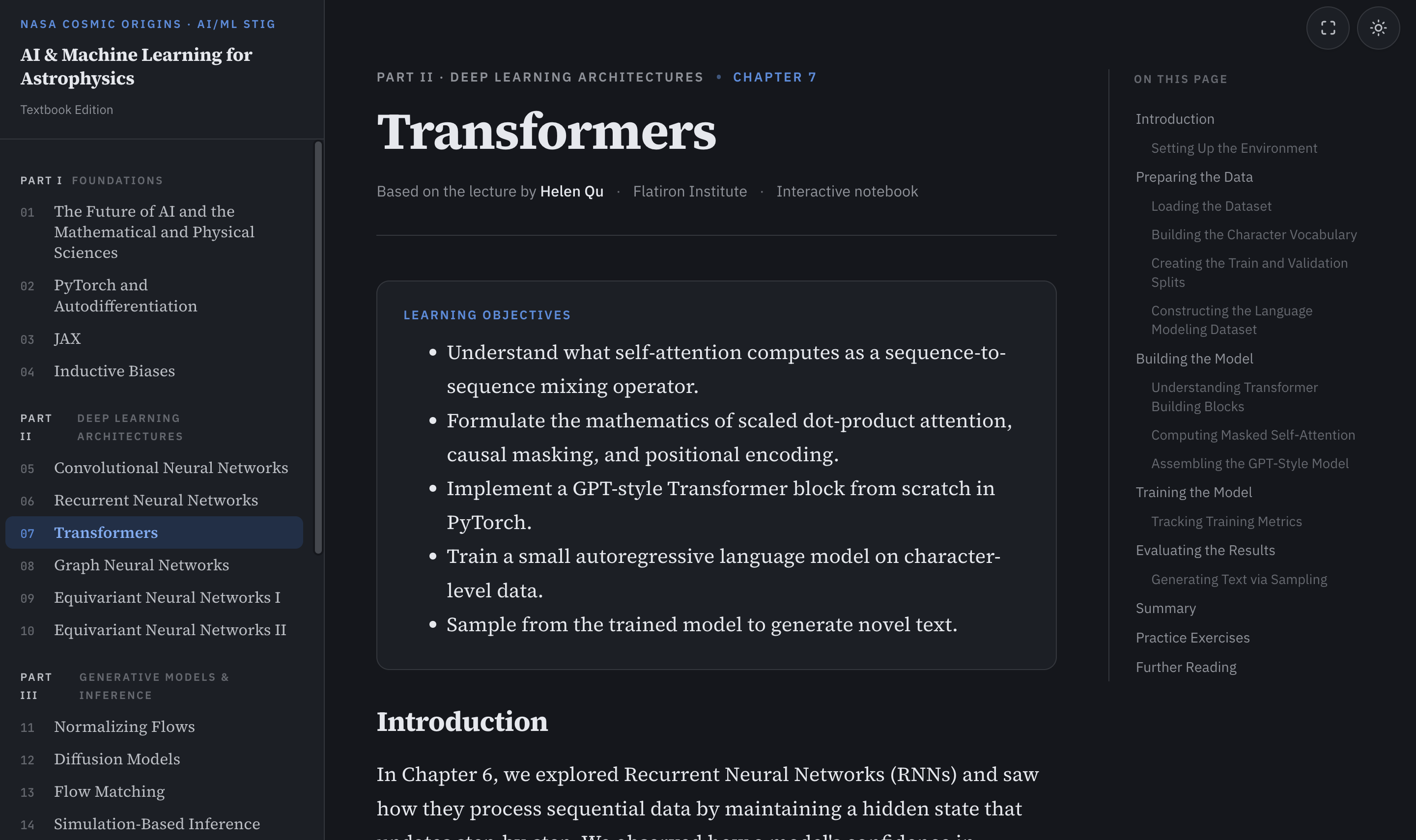
Deep Learning for Astrophysics

The lecture series, curated into a single, freely available textbook — running from computational foundations and deep-learning architectures through generative modeling and inference to large-language-model agents. The notebook chapters are runnable, with their original outputs preserved, and the exercises use real astronomical data.
What you get

A program built for working researchers

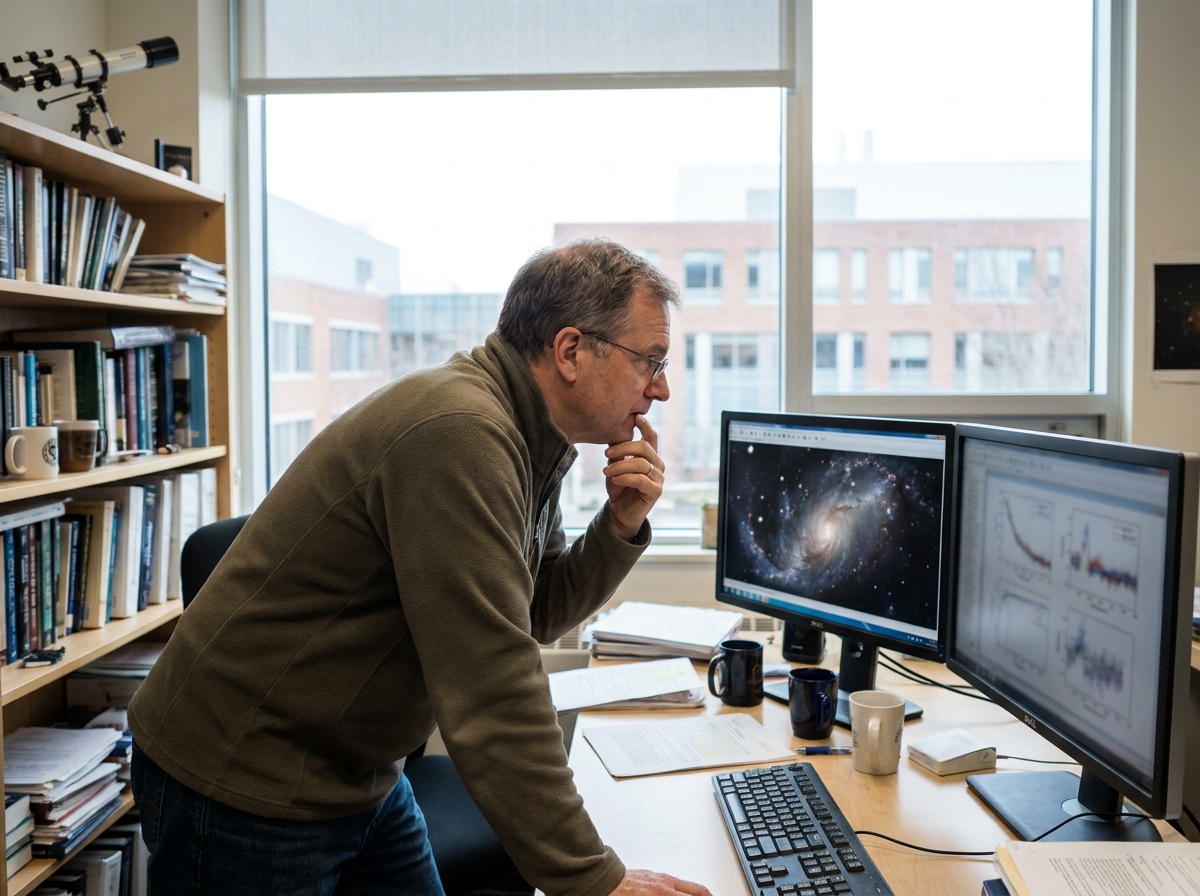
A researcher watching a recorded lecture

Every session, recorded and free

All lectures are recorded and hosted on the NASA Cosmic Origins Program, with a video embedded in each lecture. Learn live on Monday afternoons, or on your own schedule.

  • Weekly one-hour lectures, fully recorded
  • Embedded video on every lecture
  • Open to the international community
Browse the lectures
Curriculum & Lectures

Browse the program by module

24 lectures across 8 modules — recordings, summaries, and materials, all in one place.

Overview

1 lecture
Week 1·Nov 3

Overview

Jesse Thaler · MIT

A map of how AI is becoming a shared scientific language across the mathematical and physical sciences, framing the “two-way street” between using AI to do science and using science to understand AI, and where astronomy fits within it. Distills the NSF community white paper into concrete priorities for researchers, institutions, and funding agencies.

Read the textbook chapter
Topics covered
  • AI as a shared language across the physical sciences
  • The two-way street: AI for science and the science of AI
  • Cross-cutting techniques: SBI, foundation models, uncertainty quantification
  • Open research questions in the science of AI
  • Recommendations for agencies, institutions, and researchers
Team

Leadership Council

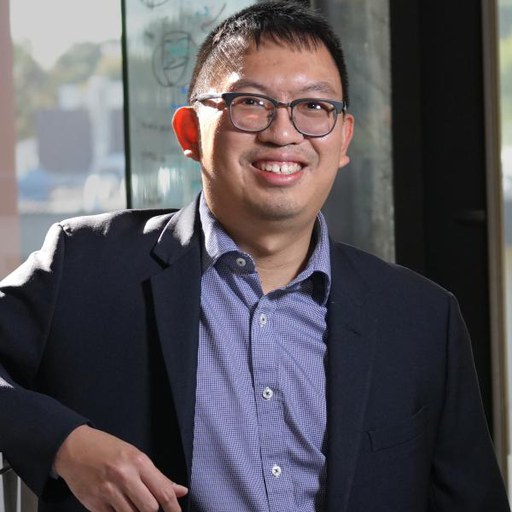
Yuan-Sen TingCo-Chair
Yuan-Sen Ting
The Ohio State University
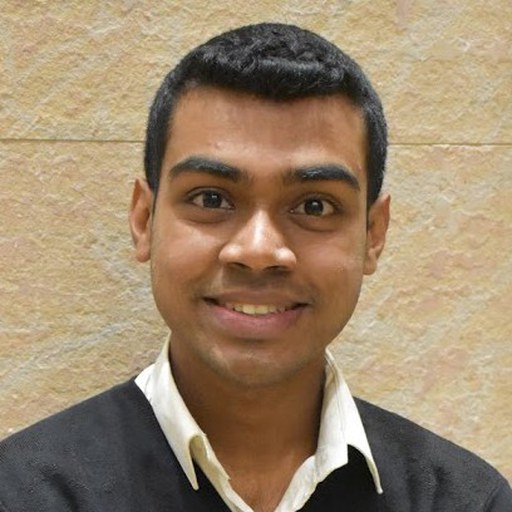
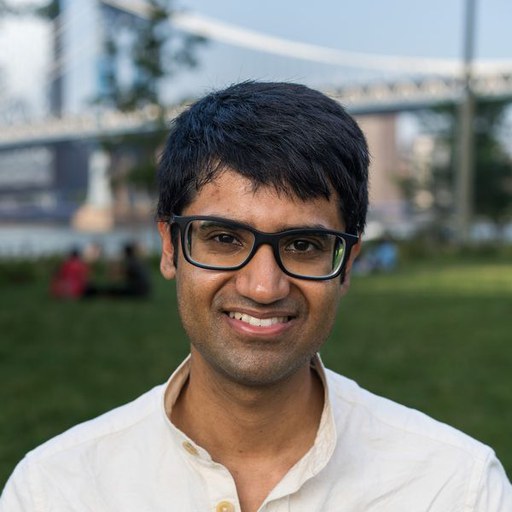
Digvijay WadekarCo-Chair
Digvijay Wadekar
University of Texas at Austin
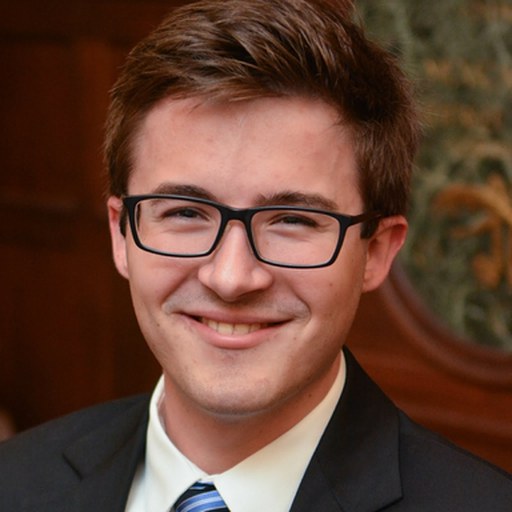
Andrew Saydjari
Andrew Saydjari
Princeton University
Alex Gagliano
Alex Gagliano
MIT
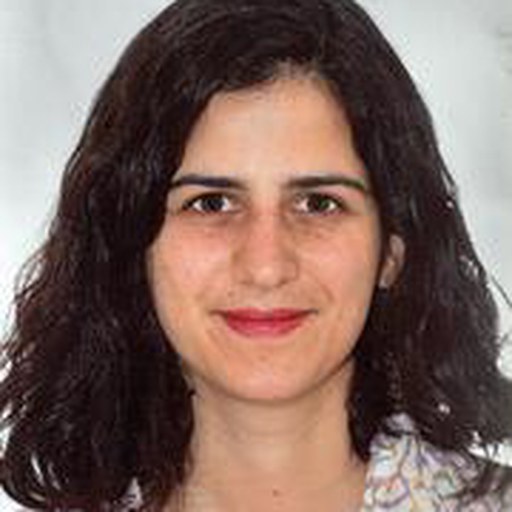
Carol Cuesta-Lazaro
Carol Cuesta-Lazaro
Institute for Advanced Study at Princeton/Flatiron Institute
Georgios Valogiannis
University of Chicago
Siddharth Mishra-Sharma
Boston University

For inquiries, please contact: ting.74@osu.edu

Across the community

Speakers and leaders from leading institutions

The Ohio State University
University of Texas at Austin
Princeton University
Institute for Advanced Study
Flatiron Institute
MIT
Harvard University
STScI
Northwestern University
Australian National University
University of Manchester
Westlake University
University of Toronto
University of Barcelona
Shanghai Jiao Tong University
University of Cincinnati
Boston University
University of Chicago
Max Planck Institute
NASA Goddard
The Ohio State University
University of Texas at Austin
Princeton University
Institute for Advanced Study
Flatiron Institute
MIT
Harvard University
STScI
Northwestern University
Australian National University
University of Manchester
Westlake University
University of Toronto
University of Barcelona
Shanghai Jiao Tong University
University of Cincinnati
Boston University
University of Chicago
Max Planck Institute
NASA Goddard
Join us

How to participate
Open to all

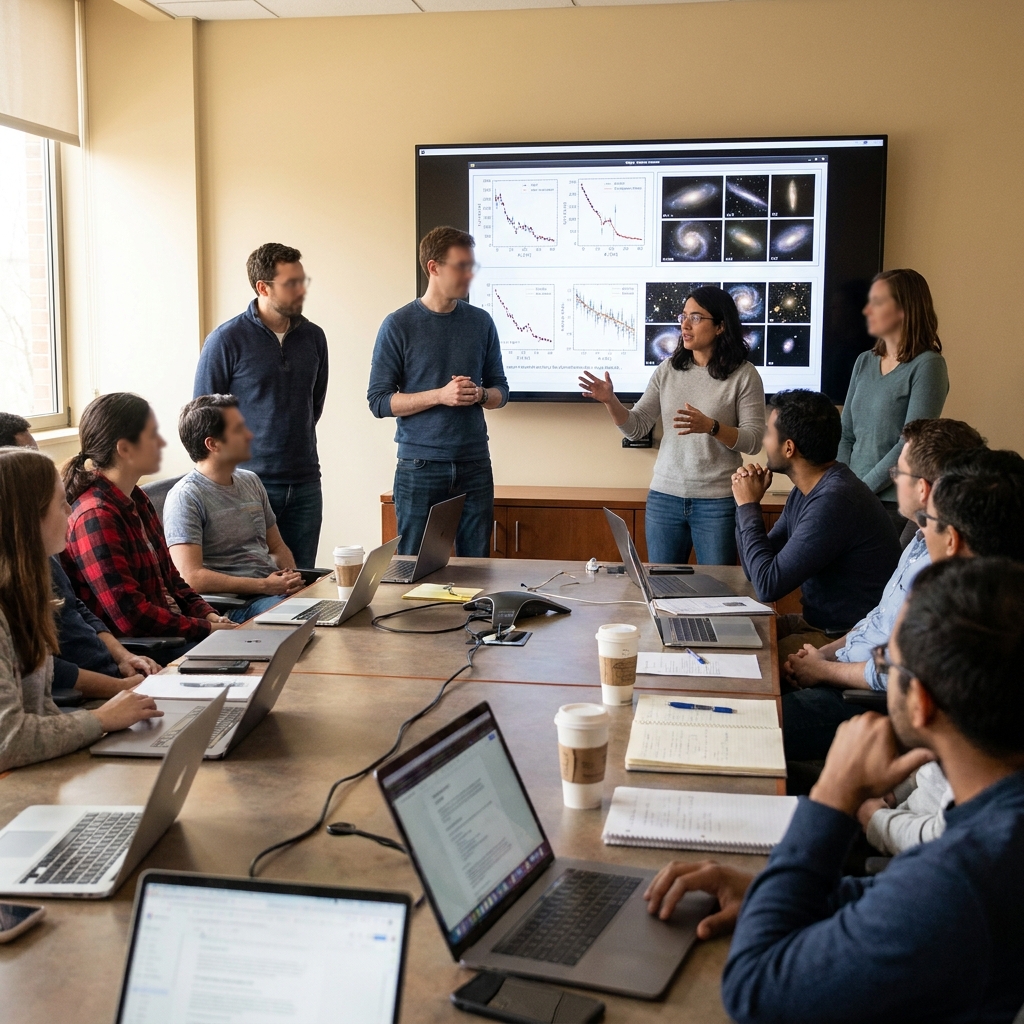
Become a member

Open to the national and international community without regard to institutional affiliation, education, or career status. Astronomers, astrophysicists, data scientists, and anyone curious about AI in astronomy are welcome.

Join the mailing list